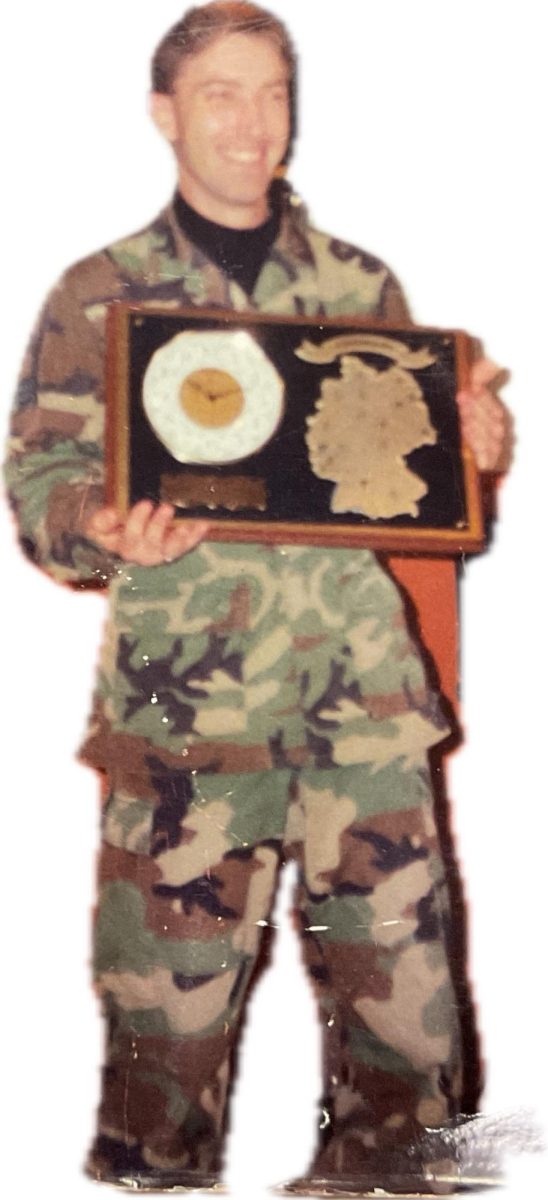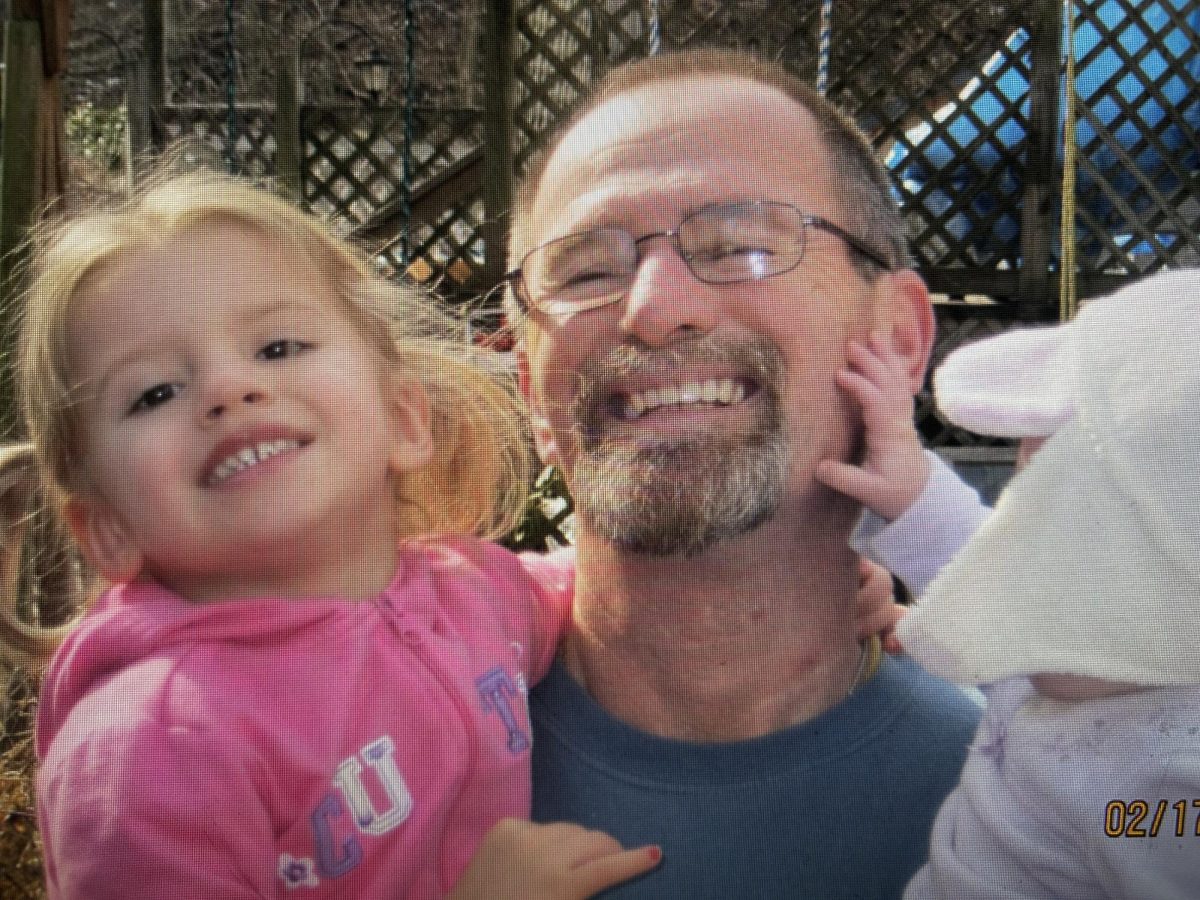
My grandfather, Murray J. Pratt Sr, will be the focus in my interview. Some questions and answers will be a more sensitive topic as the Vietnam War and Post Vietnam War was a tragic historical period for America. My grandpa is one of the strongest, intelligent, kind-hearted people I know, and knowing about his history, I believe his voice should be heard when it comes to serving.
Introducing my Grandpa
My grandpa, Murray, lived in Mount Union, PA during the war and graduated from Lock Haven High School. “When you graduate high school, you only had a couple of options back in the 70s. You either had college, working in factories, or going to the military.” As my Grandpa claimed, he chose the military and during the interview, he will continue to discuss why. Later on, Murray married a beautiful woman on August 28th, 1982 and ever since then, they have been together for almost 44 years. My grandma, Connie Pratt, has been by his side and together they raised 4 boys, who now have their own children and even grandchildren. This is the story of my Grandpa, Murray J. Pratt Sr.
Post War Questions/Marine Experience
Me: How many years did you serve in the Marines?
Murray: “4 years, July 1973 to July 1977.”
Me: “There are over 300 MOS’S, which job did you have and what field?
Murray: “Mine was the 3500, motor transport.”
Me: “Why did you choose to join the Marines? Did you feel like you were forced into Marine life or were you committed?”
Murray: “No, it was just by chance, a friend of mine had come out and said that he joined the Marines so I went in with him and we both joined.”
Me: “What was society like during and after the Vietnam War? What was it like going into town and socializing with people? Did you witness any protests during the war?”
Murray: “No, I grew up in a college town. Not a lot of protesting in Lock Haven, Pennsylvania. Yeah no I didn’t see much.”
Me: “Did you have a specific nickname people called you?”
Murray: “just Cork.” (That’s what friends and family call him by still)
Me: “Do you believe serving in the Marines shaped out who you are now?”
Murray: “Yes, just plain respect.”
Me: “Is there anything you regret doing or not doing in the Marines?”
Murray: “No, sometimes I may have wanted to stay a bit longer but no I think I did great.”
Me: “Do you have any good memories? If so, what was your best memory?”
Murray: “Being stationed in Hawaii, lots of new friends.”
Me: “What was the worst experience you had?”
Murray: “No bad experiences, lots of good memories. Actually boot camp but yeah nothing bad.”
Me: “Did you have any close friends or a best friend? If so, what were they like?”
Murray: “They were all brothers to me, no one specific.”
Me: “How was the mental part of the Marines? Was it exhausting, upsetting, scary?”
Murray: “ Different, scary in boot camp, but after that it was just reality.”
Me: “Overall how was your experience? If you could go back in time.. Would you do anything differently?”
Murray: “I would just stay longer, travel around the world more.”
Me: “Do you still talk to anyone you have served with?”
Murray: “No, the majority of them passed away. I do have a couple I can reach out to if I needed to. I did keep in touch after years.”
Me: “How was the boot camp part? Did you ever have regrets joining the Marines during training?”
Murray: “Yeah, a couple times. About everyday. It was strengthening, it was a different, different world you know? Discipline, discipline, you know? It was different, I didn’t want to be there, I questioned why I was there but after 13 weeks I got it through.”
Me: “Would you recommend people joining the Marines or a different branch?”
Murray: “I would recommend anybody to join any kind of branch. I think the military would be a good career and it gives people the heads up.”
Quotes/ Questions that Impacted this Interview
The last question that was discussed truly shines through this interview, Murray talks in confidence and pride during this interview and many things he said were strong. Though, we need to soak in when a veteran speaks to us because we don’t truly know what they have been through when serving. Murray speaks on a positive side of serving, but not everything can always be good. He wants to show his pride, and as he proudly said, “I would recommend anybody to join any kind of branch. I think the military would be a good career and it gives people the heads up.” that greatly wraps up this interview. Murray J. Pratt Sr., thank you for joining me in this interview and answering these questions in such a strong, vocal way. Thank you for your time and service!
Summary of the Vietnam War/Post War
The Vietnam War began in 1955 and ended in 1975. The conflict was between North (communists) and South Vietnam, yet the U.S. was heavily involved due to them providing military and aid in the 1950s. By 1965, U.S. troops were deployed, peaking at 500,000 personnel. While the U.S. was aiming to support South Vietnam, China and the Soviet Union were supplying North Vietnam with weapons and advisers as well. The overall conclusion of the war happened when U.S. forces withdrew following the Paris Peace Accords in 1973 yet the fighting occurred until 1975 when North Vietnam captured Saigon. Over 3 million deaths occurred, and over 58,000 of those deaths were American U.S Soldiers. Post War, the U.S. felt shattered due to the defeat, as the economy went BOOM and their national confidence started to fall. Many Americans questioned the leadership, the morality of U.S. institutions, and the role of the nation when it came to global affairs. Veterans did not get much support or recognition due to the media depicting the soldiers as bad people though the viewings of the soldiers changed when Regan was in office. Overall the war left imprints on American culture, politics, and citizenship. (Vietnam War | Facts, Summary, Years, Timeline, Casualties, Combatants, & Facts | Britannica)