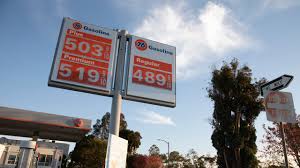
A primary driver of rising prices in 2026 is the lagged effect of U.S. tariffs. Many companies absorbed the costs of tariffs implemented in 2025, using up their existing, cheaper inventory. As that inventory runs out, businesses are passing these higher import costs on to consumers, particularly affecting clothing, footwear, and consumer goods. Economists warn that these tariff-driven increases could add significant pressure to headline inflation throughout the year. And energy prices, particularly gasoline and diesel, have risen due to geopolitical conflict in the Middle East, disrupting supply chains and shipping lanes. Higher diesel costs, in particular, directly increase the cost of transporting goods, impacting prices across the entire economy. Additionally, natural gas prices are elevated, contributing to higher home utility bills. And the rapid expansion of artificial intelligence (AI) is creating a massive demand for computing power, leading to shortages in memory chips used in smartphones and computers. Furthermore, the construction of new data centers is straining the electrical grid, driving up electricity prices, which are expected to increase over 4% on average in 2026.Changes in immigration policy have resulted in a tighter labor market, especially in sectors dependent on migrant labor, such as agriculture, food processing, and home health care. These shortages are forcing wage increases, which businesses often pass on to consumers in the form of higher prices for services In summary, 2026 price increases are driven by a combination of new tariff costs, energy volatility, specialized shortages for technology, and structural labor pressures, resulting in a persistent, elevated cost of living. So that is the reason we are having prices going up so fast.
https://www.cbsnews.com/news/price-tracker/